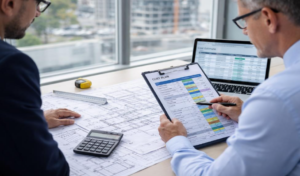

Digital loss adjusting allows insurers to assess certain insurance claims remotely by reviewing photographs, videos, supporting documents and other relevant evidence. For Australian insurers and claims managers, it offers a practical way to evaluate suitable property damage claims without automatically requiring an on-site visit. However, its effectiveness depends on the quality of the evidence, the complexity of the loss and the expertise of the assessor. Understanding how the process works helps insurers determine when remote assessment is appropriate and when a physical inspection is necessary.
What is Digital Loss Adjusting?
Digital loss adjusting is the remote investigation and assessment of an insurance claim using digital evidence, communication tools and professional technical judgement. Rather than relying exclusively on a physical site visit, an assessor reviews available information to establish the nature and extent of the reported damage.
This approach may involve photographs, video footage, repair estimates, invoices, policy documentation and discussions with relevant stakeholders. Virtual loss adjusting and desktop insurance claim assessment are closely related terms describing assessment methods that use remote evidence instead of, or alongside, traditional field inspections.
For insurers, the objective remains the same: obtain a clear understanding of the loss, evaluate the available evidence and support informed claim decisions. Digital methods change how information is collected and reviewed, not the need for a thorough and impartial assessment.
How Does the Digital Loss Adjusting Process Work?
The digital loss adjusting process generally follows several stages, although the exact workflow depends on the claim and the insurer’s requirements.
1. Claim Notification and Initial Triage
The process begins with a review of the claim details, reported damage, incident circumstances and available documentation. The assessor considers the potential complexity and risk to determine whether a remote assessment is suitable or whether an on-site inspection should be arranged.
2. Collection of Digital Evidence
Relevant evidence is gathered from the insurer, policyholder, property representative or other appropriate sources. This may include dated photographs, videos, damage descriptions, repair quotations, invoices and previous inspection reports.
Clear images showing the affected areas, wider property context and relevant details help establish what has occurred. Missing information is identified before conclusions are drawn.
3. Remote Review and Damage Evaluation
The assessor examines the submitted evidence to understand the apparent cause, extent and characteristics of the damage. Where appropriate, follow-up questions or video calls can help clarify observations and obtain additional views.
This stage may also involve reviewing policy information and considering whether the reported circumstances align with the available evidence.
4. Scope and Cost Assessment
Where repair costs are relevant, the assessor reviews proposed work, quantities, materials and estimates. The aim is to identify whether the repair scope appears reasonable and whether further technical clarification is required.
For example, photographs of water damage may help assess visible surface damage, but they may not establish whether concealed building materials have been affected.
5. Reporting and Further Investigation
Findings are documented and communicated to the relevant stakeholders. If evidence is insufficient, damage appears more extensive than initially reported, or important questions remain unresolved, further documentation, specialist input or a physical inspection may be required.
What Are the Key Benefits of Digital Loss Adjusting?
Digital loss adjusting can improve flexibility and workflow efficiency when applied to suitable claims.
- Potentially faster assessments: Evidence can be reviewed remotely without coordinating every stage around travel and site access.
- Reduced travel requirements: Suitable claims may be assessed without the time and expense associated with a physical visit.
- Broader geographic reach: Remote assessment can be useful for properties in regional or geographically dispersed locations.
- Simplified evidence sharing: Digital files and remote communication allow relevant information to be exchanged efficiently.
- Flexible claims management: Insurers can use remote assessment for appropriate matters while directing complex losses to experienced field adjusters.
These benefits are not guaranteed for every claim. Poor-quality evidence, repeated information requests or the need for additional investigation can reduce the efficiency of a remote approach.
How Accurate Is Digital Loss Adjusting?
Digital loss adjusting can support reliable claim assessments when the available evidence is sufficiently detailed and the assessment method suits the loss. Accuracy depends on image quality, documentation completeness, damage complexity and the assessor’s technical expertise.
Photographs should show both the overall affected area and relevant details. Videos may provide additional context, while repair estimates and supporting documents can help explain the proposed scope of work.
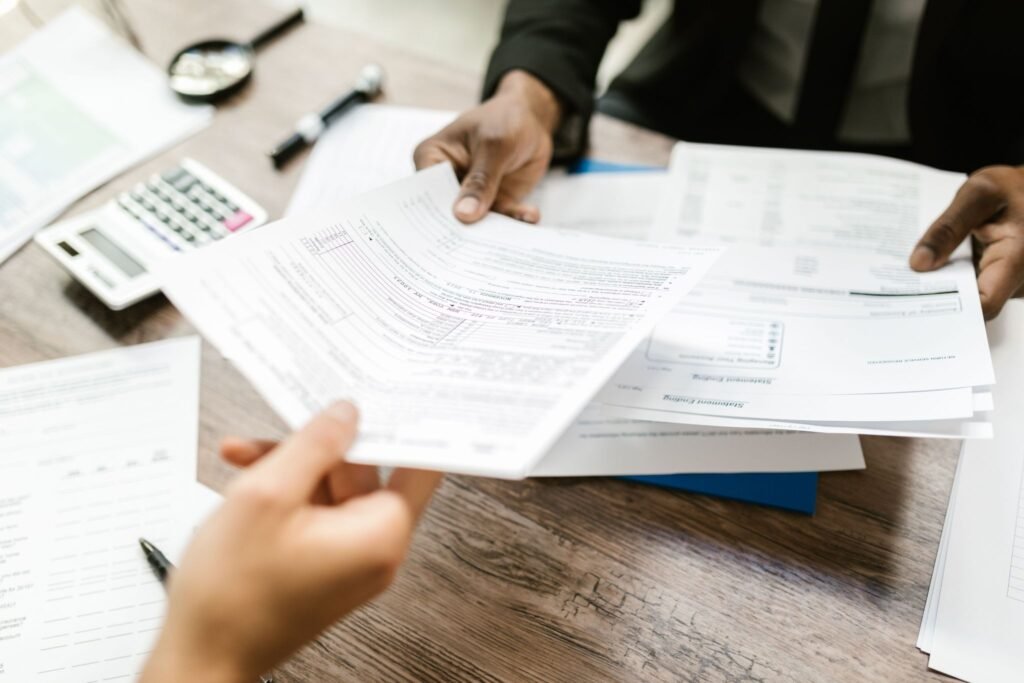
However, remote assessment has limitations. Concealed water damage, structural movement, suspected building defects and complex machinery failures may require physical examination or specialist testing. Images alone cannot reliably establish every underlying cause or confirm conditions that are not visible.
A sound assessment therefore recognises uncertainty rather than treating missing evidence as proof that damage does not exist. When further investigation is necessary, an on-site inspection helps establish facts that cannot be confirmed remotely.
When Should Insurers Use Desktop Loss Adjusting in Australia?
Desktop loss adjusting Australia services may suit lower-complexity claims where the damage is clearly visible, documentation is complete and the risks can be assessed remotely. They may also support preliminary claim triage, follow-up reviews and situations where property access is difficult.
The appropriate method should be determined by the nature of the loss, potential exposure, evidence quality and reporting requirements. Remote assessment is not a substitute for every physical inspection. Instead, it can complement traditional loss adjusting by reserving on-site resources for claims that need closer investigation.
Lead Claims provides desktop loss adjusting and virtual triage for suitable claims across Australia. Explore its desktop loss adjusting services to understand how remote assessment can support insurance claims workflows.
Frequently Asked Questions
What is the difference between digital and traditional loss adjusting?
Digital loss adjusting relies on remote evidence and communication, while traditional field adjusting involves attending the property to inspect the damage directly. Both require professional assessment and appropriate documentation.
Can all insurance claims be assessed remotely?
No. Complex, high-risk or poorly documented claims may require a physical inspection or specialist investigation.
Is desktop insurance claim assessment accurate?
It can be reliable when the evidence is sufficient and the assessment method is appropriate. Accuracy may be limited when damage is concealed or important information is missing.
How can virtual loss adjusting help insurers?
It can reduce travel requirements, support remote claim triage and streamline evidence review for suitable claims, while allowing complex matters to be escalated.
Conclusion
Digital loss adjusting offers Australian insurers a flexible way to assess suitable claims using remote evidence and professional judgement. Its value depends on selecting the right claims, maintaining evidence quality and recognising when further investigation is needed. For insurers seeking a balanced approach to efficiency and technical rigour, Lead Claims provides desktop loss adjusting services to support appropriate remote claim assessments.