
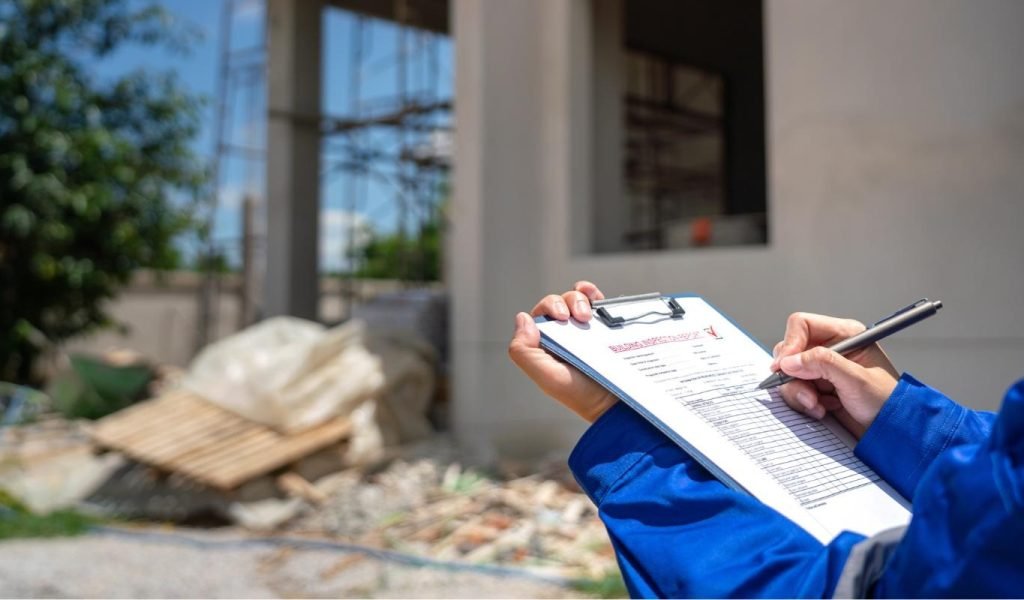
When unexpected events such as storms, floods, fires, or accidental damage affect your property, dealing with the aftermath can be overwhelming. Alongside repairing the damage, you also need to navigate the insurance claims process, which can often feel confusing and time-consuming. Understanding property damage claims is the first step towards ensuring you receive a fair and accurate settlement.
Whether you own a residential property, commercial building, or investment property, knowing how claims are assessed and what evidence is required can significantly improve your outcome. At Lead Claims, we help insurers, brokers, and property owners by providing independent assessments, loss adjusting, claims advisory, and repair cost validation services across Australia.
What Are Property Damage Claims?
Property damage claims are insurance claims submitted after a property has suffered physical damage caused by an insured event. Depending on your insurance policy, these events may include:
- Storm and hail damage
- Fire and smoke damage
- Water leaks and flooding
- Impact damage
- Vandalism
- Structural failures caused by insured events
Once a claim is lodged, the insurer evaluates the extent of the damage, reviews the policy coverage, and determines the amount payable for repairs or replacement.
Why Accurate Damage Assessment Matters
One of the most important parts of any property damage claim is the initial assessment. If damage is overlooked or repair costs are underestimated, the final settlement may not fully cover the actual cost of restoring the property.
Professional property assessments help:
- Identify all visible and hidden damage
- Document the condition of the property
- Prepare accurate repair scopes
- Estimate realistic repair costs
- Reduce disputes during the claims process
Accurate documentation also provides stronger evidence if additional damage is discovered later.
Common Challenges During Property Damage Claims
Many policyholders assume that lodging a claim is straightforward. However, claims can become complicated for several reasons.
Incomplete Damage Reports
Not all damage is immediately visible. Moisture ingress, structural movement, or concealed defects may only become apparent after a detailed inspection.
Repair Cost Disputes
Different contractors often provide varying repair estimates. Without an independent assessment, determining a reasonable repair cost can be difficult.
Delayed Claim Decisions
Missing documentation or unclear repair scopes may slow down the insurer’s review process, resulting in longer settlement times.
Policy Interpretation
Insurance policies contain specific terms, conditions, and exclusions. Understanding what is covered helps avoid unrealistic expectations during the claim.
The Property Damage Claims Process
Although every insurer has its own procedures, most property damage claims follow a similar process.
1. Report the Damage
Notify your insurer as soon as possible after the incident and provide clear information about what happened.
2. Document Everything
Take photographs, videos, and detailed notes before temporary repairs begin whenever it is safe to do so.
3. Property Inspection
An experienced assessor or loss adjuster inspects the property to determine the cause, extent, and impact of the damage.
4. Repair Scope and Cost Assessment
The required repairs are identified, measured, and cost to establish a fair repair estimate.
5. Claim Review
The insurer reviews all documentation, including inspection reports, repair estimates, and supporting evidence.
6. Settlement
Once the claim is approved, repairs can proceed according to the agreed scope and settlement.
How Lead Claims Supports Property Damage Claims
Managing complex property damage claims requires technical expertise and independent assessment. Lead Claims works with insurers and industry professionals to provide reliable support throughout the claims process.
Our services include:
- Independent property inspections
- Loss adjusting services
- Insurance claims advisory
- Scope and repair cost validation
- Desktop loss adjusting where appropriate
- Expert assessment and technical reporting
By delivering evidence-based assessments, we help ensure claims are evaluated fairly and consistently.
Why Independent Assessments Make a Difference
Independent assessments provide an objective review of property damage without focusing solely on repair estimates from individual contractors.
Benefits include:
- Improved claim accuracy
- Transparent repair recommendations
- Reduced claim disputes
- Better documentation
- Faster decision-making
- Greater confidence for insurers and policyholders
An independent assessment also helps identify whether repairs are practical, reasonable, and consistent with industry standards.
Tips for a Successful Property Damage Claim
Following a few practical steps can make the claims process smoother.
- Report damage promptly.
- Keep copies of all correspondence.
- Photograph every affected area.
- Retain invoices for emergency repairs.
- Avoid permanent repairs until authorised where required.
- Request clarification if any part of the assessment is unclear.
- Consider obtaining an independent assessment for complex claims.
These simple actions can help support your claim and reduce unnecessary delays.
Why Professional Claims Support Matters
Property damage claims often involve more than simply estimating repair costs. They require technical knowledge, building expertise, and careful evaluation of policy requirements.
Professional claims support helps ensure that:
- Damage is fully identified.
- Repair costs reflect current market conditions.
- Documentation is complete.
- Assessments are technically sound.
- Claims progress efficiently.
This level of expertise can contribute to more informed claim decisions and improved outcomes for everyone involved.
Final Thoughts
Property damage claims can be challenging, particularly when significant building repairs or complex damage are involved. Accurate assessments, comprehensive documentation, and independent technical expertise all play an important role in achieving fair claim outcomes.
Lead Claims provides professional support through independent assessments, loss adjusting, repair cost validation, and insurance claims advisory services across Australia. Whether you’re dealing with residential or commercial property damage, having experienced professionals involved can help ensure every stage of the claims process is handled with accuracy, transparency, and confidence.
If you require expert assistance with property damage claims, the team at Lead Claims is ready to provide reliable assessments and practical guidance tailored to your insurance claim.
Frequently Asked Questions
1. What are property damage claims?
Property damage claims are insurance claims made when a residential or commercial property is damaged by an insured event, such as storms, floods, fire, water leaks, or accidental impact. The insurer assesses the damage and determines the appropriate settlement based on the policy terms and supporting evidence.
2. What documents are required for a property damage claim?
Most insurers require photographs of the damage, a completed claim form, details of the incident, repair quotations (if available), and any supporting documents such as invoices or inspection reports. Providing complete documentation can help reduce delays during the assessment process.
3. How long do property damage claims take to settle in Australia?
The timeframe varies depending on the complexity of the damage, the availability of inspections, and the insurer’s assessment process. Straightforward claims may be resolved within a few weeks, while more complex claims involving structural damage or extensive repairs may take longer.
4. Why is an independent property damage assessment important?
An independent assessment provides an objective evaluation of the property’s condition, identifies both visible and hidden damage, and prepares an accurate repair scope. This helps support fair insurance decisions and can reduce disputes over repair costs.
5. Can hidden damage be included in property damage claims?
Yes. Damage such as moisture intrusion, structural movement, or concealed defects may not be immediately visible after an incident. A professional inspection can identify hidden issues and ensure they are properly documented during the claims process.
6. How can Lead Claims assist with property damage claims?
Lead Claims provides independent property assessments, loss adjusting, insurance claims advisory, repair cost validation, and expert reporting services across Australia. Our experienced team helps insurers, brokers, and property owners achieve accurate claim assessments and fair settlement outcomes.